
Domestic Abuse in India: Laws, Protection Orders & Legal Remedies
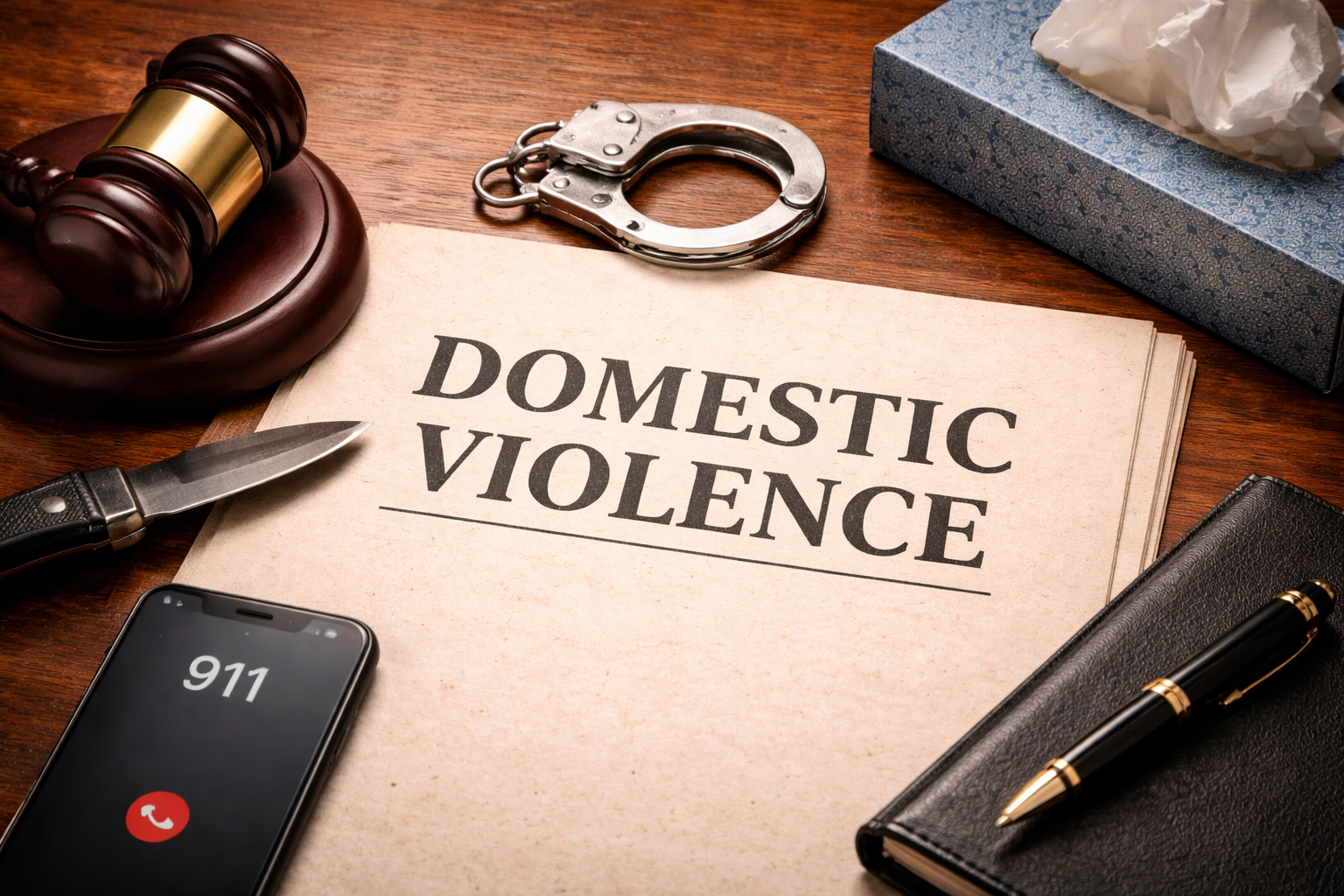
Domestic abuse remains a serious and widespread issue in India, affecting individuals across all social, economic, and cultural backgrounds. While it is most commonly associated with violence against women, domestic abuse can also impact men, children, and elderly family members. Over the years, Indian law has evolved to provide stronger protection, legal remedies, and support systems for victims. Understanding these laws, protection orders, and remedies is essential for ensuring justice and safety.
Understanding Domestic Abuse
Domestic abuse is not limited to physical violence. It includes emotional, psychological, sexual, and economic abuse within a domestic relationship. This may occur between spouses, live-in partners, family members, or relatives living in a shared household.
Forms of domestic abuse include:
- Physical harm or assault
- Verbal and emotional harassment
- Sexual abuse or coercion
- Financial control or deprivation
- Threats, intimidation, or isolation
Recognizing these forms is the first step toward seeking legal protection.
Legal Framework Governing Domestic Abuse in India
India has enacted specific laws to address domestic violence and protect victims. The most significant legislation is the Protection of Women from Domestic Violence Act, 2005 (PWDVA). This Act provides a comprehensive civil law remedy to protect women from abuse within domestic relationships.
Additionally, certain provisions under the Indian Penal Code (IPC) also deal with domestic abuse:
- Section 498A: Cruelty by husband or relatives
- Section 304B: Dowry death
- Section 306: Abetment of suicide
- Section 323 & 325: Causing hurt and grievous hurt
These provisions allow victims to initiate criminal proceedings alongside civil remedies.
Protection of Women from Domestic Violence Act, 2005
The PWDVA is a landmark law aimed at providing immediate and effective relief to victims. It recognizes a wide range of relationships, including marriage, live-in relationships, and family ties.
Key Features of the Act:
- Covers physical, emotional, sexual, and economic abuse
- Provides immediate relief without lengthy trials
- Recognizes the right to reside in a shared household
- Ensures protection regardless of ownership of property
Protection Orders Under the Law
One of the most important remedies under the PWDVA is the issuance of protection orders by a Magistrate. These orders are designed to ensure the safety and well-being of the victim.
Types of Protection Orders:
1. Protection Order
The court can restrain the abuser from:
- Committing any act of violence
- Contacting or communicating with the victim
- Entering the victim’s workplace or residence
2. Residence Order
This ensures that the victim cannot be evicted from the shared household, even if she does not own the property. The court may:
- Allow the victim to stay in the house
- Direct the abuser to leave the premises
3. Monetary Relief
Victims can claim financial compensation for:
- Medical expenses
- Loss of income
- Damage to property
- Maintenance
4. Custody Orders
Temporary custody of children may be granted to protect their welfare and safety.
5. Compensation Orders
Courts may award compensation for mental trauma, emotional distress, and physical injuries.
Role of Protection Officers and NGOs
The Act provides for the appointment of Protection Officers who assist victims in filing complaints, accessing medical aid, and obtaining legal support. Non-Governmental Organizations (NGOs) also play a crucial role in providing shelter, counseling, and legal assistance.
Procedure to File a Complaint
Filing a domestic violence complaint is designed to be simple and accessible:
- Approach a Protection Officer, police station, or Magistrate
- File a Domestic Incident Report (DIR)
- Submit an application to the Magistrate
- The court schedules a hearing (usually within a few days)
- Interim orders may be granted immediately
Victims can also file complaints through NGOs or legal aid services.
Legal Remedies Available
Victims of domestic abuse in India have both civil and criminal remedies:
Civil Remedies:
- Protection orders
- Residence rights
- Monetary compensation
- Child custody
Criminal Remedies:
- Filing FIR under IPC provisions
- Arrest and prosecution of the offender
- Punishment including imprisonment
The combination of civil and criminal remedies ensures both immediate protection and long-term justice.
Rights of Victims
Victims of domestic abuse have several legal rights:
- Right to live in a violence-free home
- Right to seek protection without fear
- Right to legal aid and free assistance
- Right to confidentiality and dignity
- Right to shelter and medical care
These rights empower victims to come forward and take action.
Challenges in Addressing Domestic Abuse
Despite strong laws, several challenges remain:
- Social stigma and fear of judgment
- Lack of awareness about legal rights
- Financial dependence on the abuser
- Delays in judicial processes
- Misuse allegations in some cases
Addressing these issues requires awareness, education, and institutional support.
Importance of Awareness and Support Systems
Legal provisions alone cannot eliminate domestic abuse. Awareness and support systems are equally important. Families, communities, and institutions must work together to:
- Encourage reporting of abuse
- Provide emotional and financial support
- Promote gender equality and respect
- Strengthen legal enforcement
Government initiatives, helplines, and NGOs are playing a vital role in bridging the gap between law and implementation.
Conclusion
Domestic abuse is a violation of fundamental human rights and dignity. India’s legal framework, especially the Protection of Women from Domestic Violence Act, 2005, provides strong mechanisms to protect victims and ensure justice. However, the effectiveness of these laws depends on awareness, timely action, and societal support.
If you or someone you know is facing domestic abuse, it is important to seek help immediately. Legal remedies are available, and no one should suffer in silence. Empowerment begins with awareness, and justice begins with action.