
Cheque Bounce for Business Transactions: Legal Safeguards for Companies
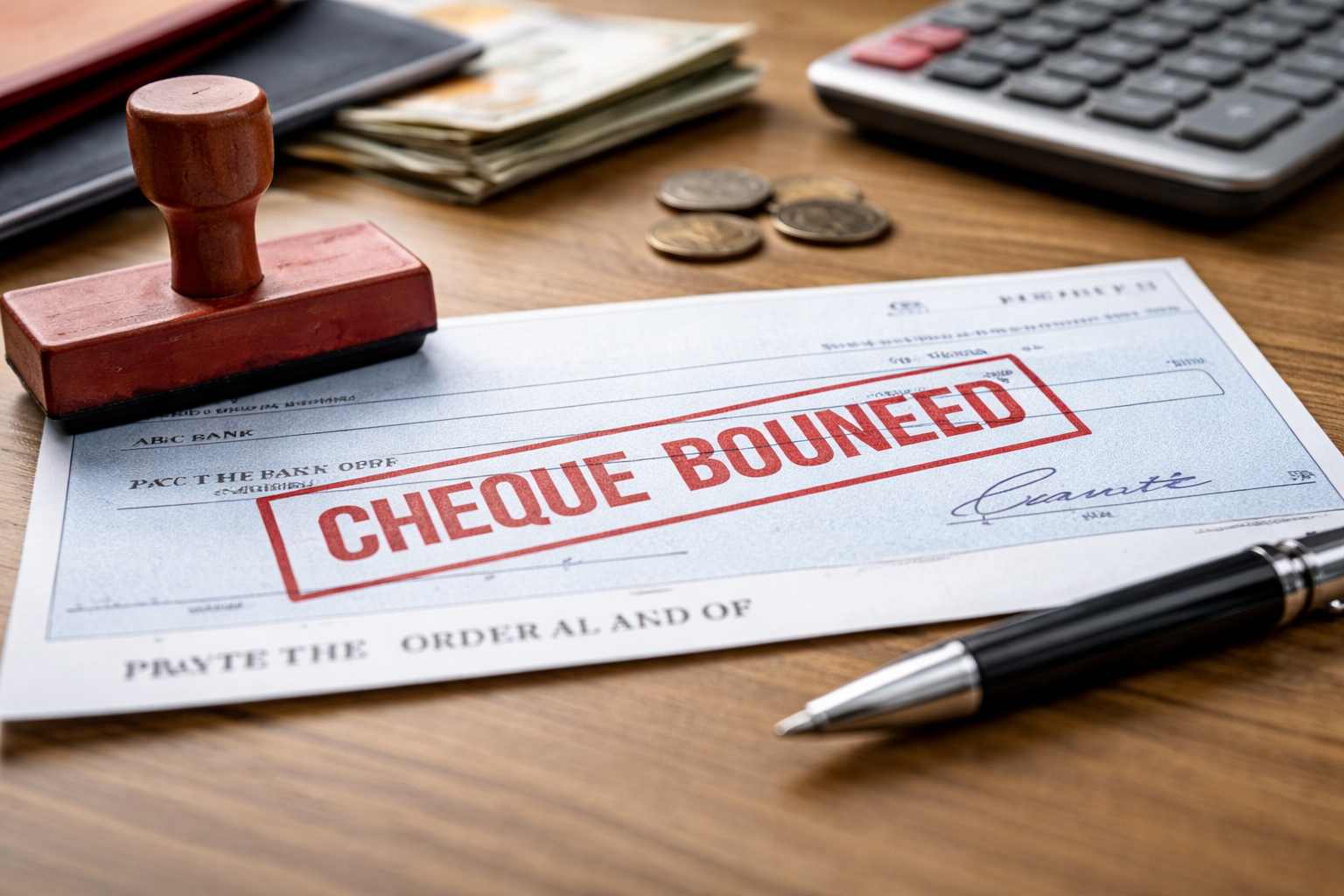
Cheque Bounce for Business Transactions:
In commercial dealings, cheques remain a widely used mode of payment despite the growth of digital transactions. However, cheque dishonour due to insufficient funds or other reasons can disrupt business cash flow and damage trust between parties. For companies, understanding the legal safeguards available under Indian law is crucial to ensure timely recovery and protection of financial interests.
This article explains the legal framework, procedure, and preventive strategies businesses should adopt in cheque bounce cases.
Legal Framework Governing Cheque Bounce Cases
Cheque dishonour cases in India are primarily governed by Section 138 of the Negotiable Instruments Act. This provision criminalizes the dishonour of cheques due to insufficient funds or when the amount exceeds the arrangement made with the bank.
The objective of Section 138 is to enhance the credibility of negotiable instruments and ensure financial discipline in commercial transactions.
Essential Ingredients of a Cheque Bounce Case
For a company to initiate legal proceedings under Section 138, the following conditions must be fulfilled:
- The cheque must be issued for the discharge of a legally enforceable debt or liability.
- The cheque must be presented within its validity period (generally three months).
- The cheque must be returned unpaid due to insufficient funds or similar reasons.
- A legal demand notice must be sent within 30 days from receipt of the bank return memo.
- The drawer must fail to make payment within 15 days of receiving the notice.
If payment is not made within the stipulated period, the company can file a criminal complaint before the Magistrate.
Liability of Companies and Directors
In business transactions, cheques are often issued by companies. Under Section 141 of the Negotiable Instruments Act:
- The company as a legal entity can be prosecuted.
- Directors and officers in charge of and responsible for the conduct of business may also be held liable.
However, liability depends on their role and involvement at the time the offence was committed.
Step-by-Step Legal Process for Businesses
Step 1: Presentation of Cheque
Deposit the cheque within its validity period through your bank.
Step 2: Receipt of Dishonour Memo
If the cheque bounces, the bank issues a return memo stating the reason (e.g., “Funds Insufficient”).
Step 3: Sending Legal Notice
A legal notice must be issued to the drawer within 30 days of receiving the dishonour memo. The notice should demand payment within 15 days.
Proper drafting of the notice is critical, as procedural defects may weaken the case.
Step 4: Filing Criminal Complaint
If payment is not received within 15 days, the company can file a complaint under Section 138 before the jurisdictional Magistrate within one month.
Step 5: Trial Proceedings
The court examines documents, records statements, and conducts trial proceedings. If the offence is proved, the court may impose:
- Imprisonment up to two years
- Fine up to twice the cheque amount
- Or both
Jurisdiction in Cheque Bounce Cases
Jurisdiction is generally determined by the location where the cheque was presented for encashment. Filing in the correct court ensures procedural compliance and avoids delays.
Civil and Criminal Remedies
Apart from criminal prosecution under Section 138, businesses may also:
- File a civil suit for recovery of money
- Initiate summary suits under Order XXXVII of the Code of Civil Procedure
- Seek arbitration if contractually agreed
Parallel civil and criminal remedies can strengthen recovery efforts.
Common Defences Raised by Accused
In cheque bounce cases, accused parties may argue:
- Cheque was issued as security
- No legally enforceable debt existed
- Signature was forged
- Notice was not properly served
However, the law presumes that the cheque was issued for a legally enforceable debt unless proven otherwise. The burden of proof shifts to the accused.
Preventive Legal Safeguards for Companies
To minimize cheque bounce risks, companies should:
✔ Maintain Written Agreements
Clearly document payment terms, liability clauses, and dispute resolution mechanisms.
✔ Verify Financial Credibility
Conduct due diligence before extending credit or accepting post-dated cheques.
✔ Use Account Payee Cheques
Ensure traceability of transactions.
✔ Maintain Proper Records
Preserve invoices, contracts, delivery receipts, and communication records.
✔ Consider Digital Payment Alternatives
Encourage RTGS, NEFT, or other secure banking channels to reduce dependency on cheques.
Importance of Timely Action
Cheque bounce cases are time-sensitive. Missing statutory deadlines for issuing notice or filing complaints can result in dismissal of the case. Companies must act promptly and seek legal advice immediately after dishonour.
Settlement and Compounding
Cheque bounce offences are compoundable. This means parties can settle the dispute even during trial. Courts generally encourage settlement to reduce litigation burden and ensure quicker recovery.
Negotiated settlements often save time, litigation costs, and business relationships.
Impact on Business Reputation
Frequent cheque bounce cases may impact a company’s reputation and creditworthiness. Legal compliance and ethical financial practices enhance trust in commercial dealings.
Role of Experienced Legal Counsel
Corporate cheque bounce matters involve strict procedural compliance. An experienced lawyer helps in:
- Drafting legally sound notices
- Ensuring timely filing of complaints
- Representing the company before court
- Handling director liability issues
- Negotiating settlements
Professional guidance ensures strategic handling of the case and increases chances of recovery.
Conclusion
Cheque bounce in business transactions can disrupt operations and financial stability. However, Indian law under the Negotiable Instruments Act, 1881 provides strong legal safeguards to protect companies against payment defaults. By understanding statutory timelines, maintaining documentation, and taking prompt legal action, businesses can effectively recover dues and deter future defaults.
Adopting preventive measures and seeking expert legal support ensures that cheque dishonour issues are handled efficiently and professionally, safeguarding both financial interests and business reputation.